Examining the Ripple Effects of Voluntary Self-Exclusion Programs on Long-Term User Engagement in Online Gambling Networks
Written by Willa Franke · Aug 1, 2026
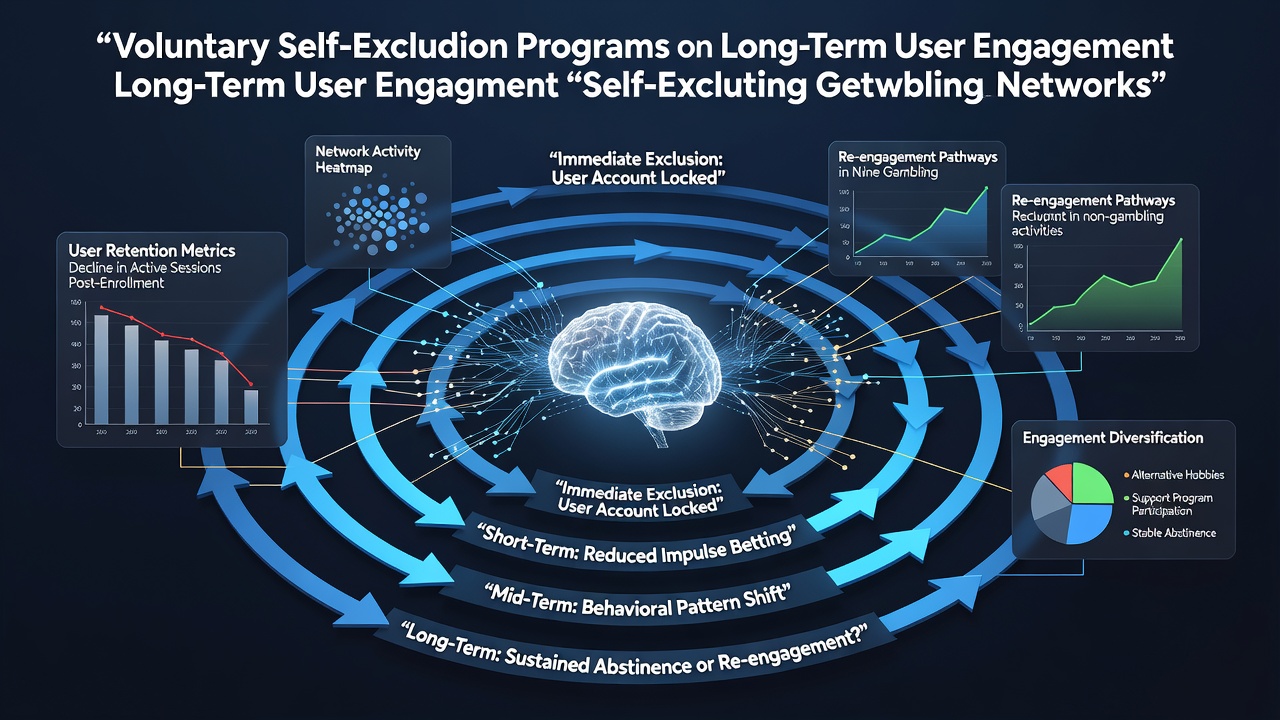
Examining the Ripple Effects of Voluntary Self-Exclusion Programs on Long-Term User Engagement in Online Gambling Networks
Voluntary self-exclusion programs allow individuals to request temporary or permanent bans from online gambling platforms, and researchers continue to track how these tools shape engagement patterns over extended periods. Data collected across multiple jurisdictions shows that participants often reduce activity on the specific sites where they enrolled, yet questions remain about whether overall gambling behavior shifts to other networks or diminishes entirely. As of August 2026, regulatory bodies in several regions have expanded access to these programs while requiring operators to share anonymized data for ongoing studies.
How Voluntary Self-Exclusion Operates Across Platforms
Operators integrate self-exclusion through account settings or direct requests to support teams, and once activated the system blocks login attempts, deposits, and promotional offers for the chosen duration. Users select periods ranging from six months to five years or lifetime options in certain markets, while multi-operator agreements in places like parts of Canada and Australia link exclusions across several brands simultaneously. The Canadian Centre on Substance Use and Addiction has documented these coordinated systems and their role in reducing access points for those seeking distance from gambling activities.
Short-Term Reductions and Platform-Level Data
Platform analytics reveal sharp drops in login frequency and wager volume immediately after enrollment, with some studies recording decreases exceeding 80 percent in the first three months. Researchers examining European and North American operators note that these immediate effects hold steady through the initial exclusion window, yet follow-up periods show varied return rates once bans expire. One analysis of aggregated user records indicated that roughly 40 percent of participants reactivated accounts within six months of the exclusion ending, while others maintained separation for longer stretches.
Long-Term Engagement Patterns and Cross-Network Shifts
Longer-term observations suggest that some users migrate to unregulated or offshore sites not covered by the original exclusion, and this movement complicates efforts to measure total engagement reduction. Studies from Gambling Research Australia have tracked cohorts over two-year windows and found that while direct platform activity declines, a subset of participants report continued gambling through alternative channels. Those who studied multi-year datasets note that lifetime exclusions correlate with lower overall participation rates compared to shorter-term options, although individual outcomes depend on additional support measures such as counseling referrals.

Behavioral Ripple Effects Beyond Single Sites
Observers note secondary impacts on social networks and payment methods tied to gambling accounts, and some participants alter spending habits across entertainment categories after completing an exclusion period. Research teams analyzing transaction patterns have identified cases where users who previously engaged daily shifted to weekly or monthly sessions upon return, while others ceased activity altogether. Academic papers examining these transitions emphasize the importance of combining self-exclusion with broader responsible gambling resources rather than relying on the ban in isolation.
Regional Variations in Program Effectiveness
Different regulatory environments produce distinct outcomes, with stricter multi-site agreements in certain Australian states showing stronger retention of reduced engagement compared to single-operator models common in parts of the United States. Reports compiled through 2026 highlight ongoing refinements, including mandatory cooling-off periods before re-enrollment and improved verification processes that prevent easy circumvention. Industry associations have begun sharing best practices across borders to standardize data collection and better assess cumulative effects on user behavior.
Conclusion
Evidence gathered to date indicates that voluntary self-exclusion programs influence user engagement most directly at the platform level, with longer-term results shaped by program design, enforcement scope, and supplementary interventions. Continued data sharing among regulators, operators, and research institutions supports clearer understanding of how these tools interact with broader gambling networks over time.