Navigating Jurisdictional Differences in Enforcing Fair Play Standards Across Global Digital Casino Operations
Written by Bianca Schwarz · Jun 20, 2026
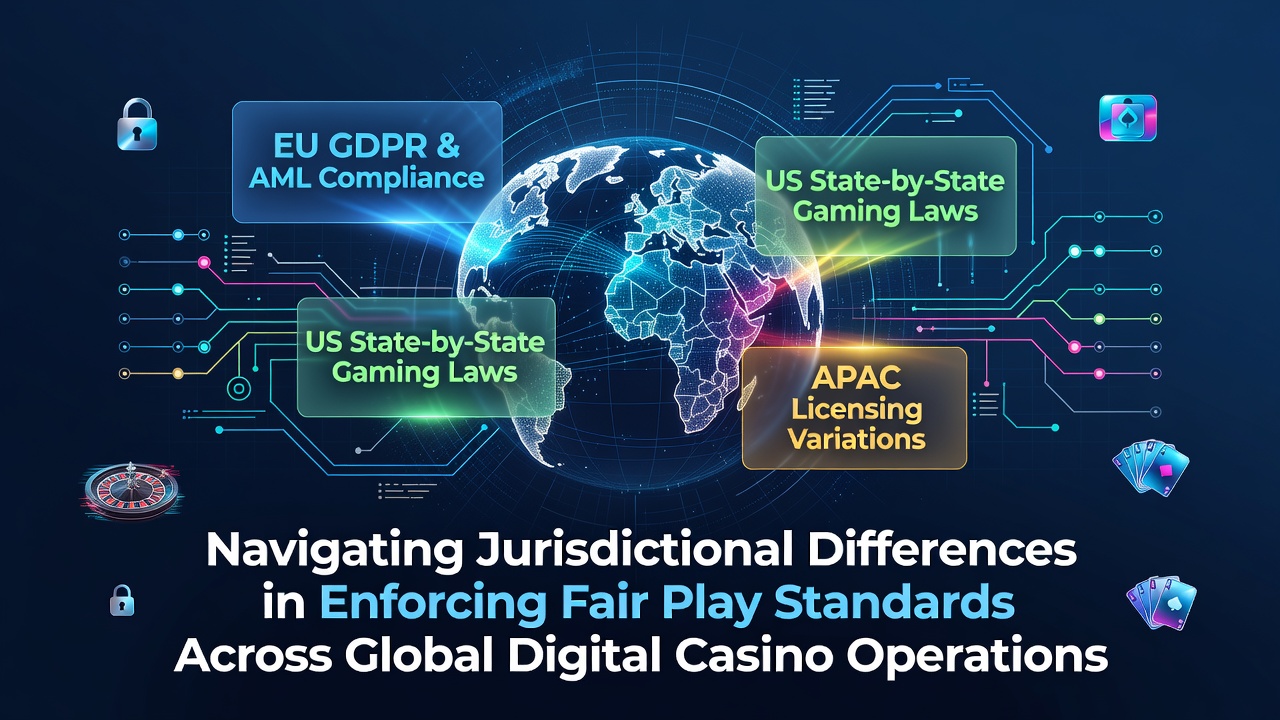
Navigating Jurisdictional Differences in Enforcing Fair Play Standards Across Global Digital Casino Operations
Operators in the digital casino sector face a patchwork of rules that shift sharply from one region to the next, and those differences shape how fair play standards get enforced in practice. Random number generator testing, payout verification schedules, and player dispute mechanisms all carry distinct requirements depending on the license under which a platform operates.
Core Elements of Fair Play Enforcement
Fair play standards typically rest on three pillars that regulators examine during audits: certified random number generators, independent payout percentage reviews, and transparent complaint resolution processes. Yet the frequency of those audits, the bodies authorized to conduct them, and the thresholds for corrective action vary widely. In some markets testing occurs quarterly while others mandate monthly reviews, and the accepted certification labs differ by jurisdiction as well.
Regional Regulatory Approaches
North American frameworks illustrate the contrasts clearly. New Jersey's Division of Gaming Enforcement requires annual RNG recertification plus real-time monitoring feeds that regulators can access directly, whereas iGaming Ontario emphasizes quarterly compliance reports submitted through a centralized portal. Both systems demand third-party lab approval, but the accepted laboratories and reporting formats diverge enough that operators must maintain separate documentation sets for each license.
European markets add another layer. The Malta Gaming Authority sets technical standards that focus on server-side logging and data retention periods, while regulators in other EU member states apply their own overlays on top of those baseline rules. Platforms licensed in multiple European locations therefore run parallel audit cycles that cover overlapping but non-identical criteria.
Adaptation Strategies Operators Use
Companies respond by building modular compliance architectures that let them swap reporting templates and testing schedules without rebuilding entire systems. Dedicated teams track regulatory updates through official gazettes and industry circulars, then translate those changes into configuration updates for their backend platforms. Data shows that operators holding licenses across five or more jurisdictions typically maintain at least two distinct RNG certification partners to satisfy overlapping lab approval lists.
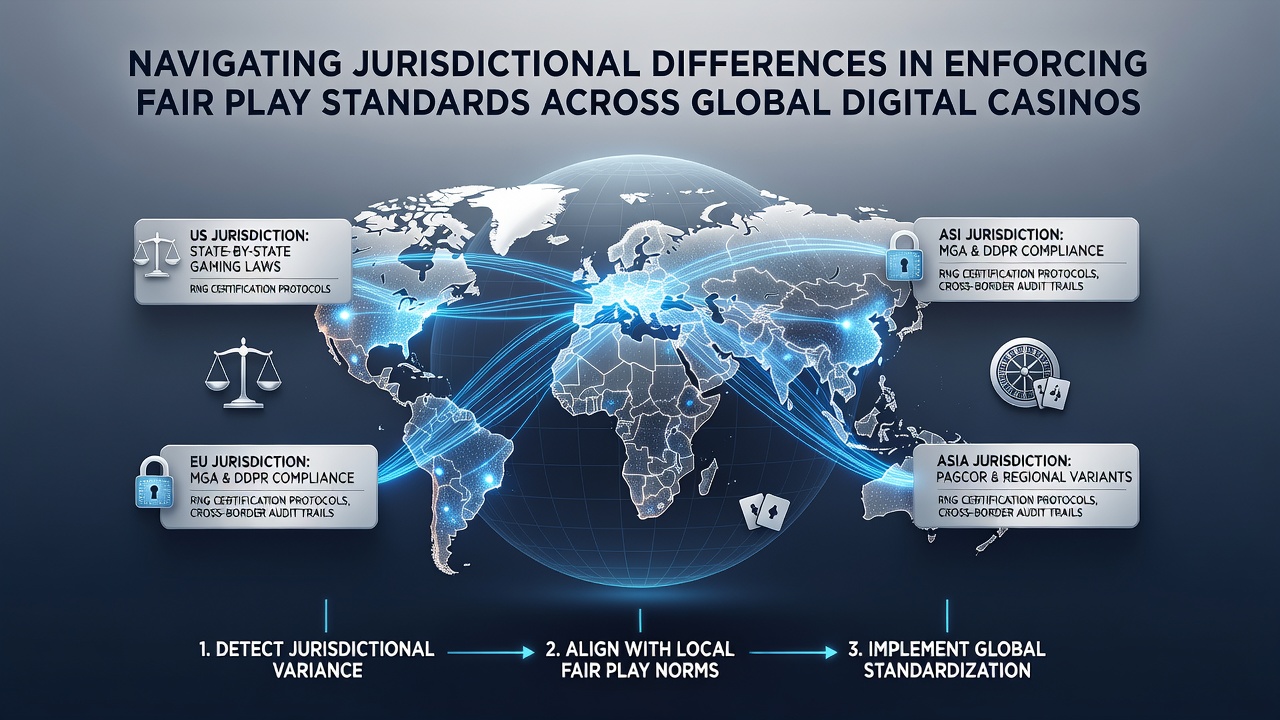
Cross-border platforms also rely on centralized logging systems that tag every transaction with the jurisdiction under which it occurred. This tagging allows automated extraction of the precise data subsets required by each regulator during audits, reducing manual preparation time. In June 2026 several operators reported completing synchronized audits across three continents within a single calendar quarter by using these tagged datasets.
Dispute Resolution and Player Protections
Player complaint handling follows equally varied paths. Some jurisdictions require operators to route disputes through a government-appointed adjudicator after an internal review period expires, while others permit the operator's chosen alternative dispute resolution provider to serve as the final step. Time limits for responses range from 24 hours in certain markets to ten business days in others, and the remedies available to players differ accordingly. Observers note that platforms serving multiple regions maintain jurisdiction-specific customer support scripts that reference the correct escalation path based on the player's registered location.
Technology and Data Management
Encryption standards and data residency rules further complicate operations. Certain regulators insist that all player data remain stored within national borders, while others accept encrypted transfers to approved offshore facilities. Operators therefore deploy geo-fenced databases that automatically restrict data access according to the rules of the jurisdiction where each player account originated. Research from the European Gaming and Betting Association indicates that these segmented storage arrangements have become standard among platforms operating in more than two continents.
Conclusion
The enforcement of fair play standards across global digital casino operations ultimately hinges on precise mapping of regulatory requirements to technical controls. Operators that maintain flexible architectures and jurisdiction-specific documentation processes can satisfy divergent audit schedules, lab approvals, and dispute mechanisms without compromising operational efficiency. As new licenses emerge and existing rules receive periodic updates, those same mapping practices continue to determine which platforms sustain compliance across multiple markets simultaneously.