Pop-Up Reality Checks: Tracking Their Role in Taming Marathon Gaming Sessions Online
Written by Bianca Schwarz · Apr 13, 2026
Pop-Up Reality Checks: Tracking Their Role in Taming Marathon Gaming Sessions Online
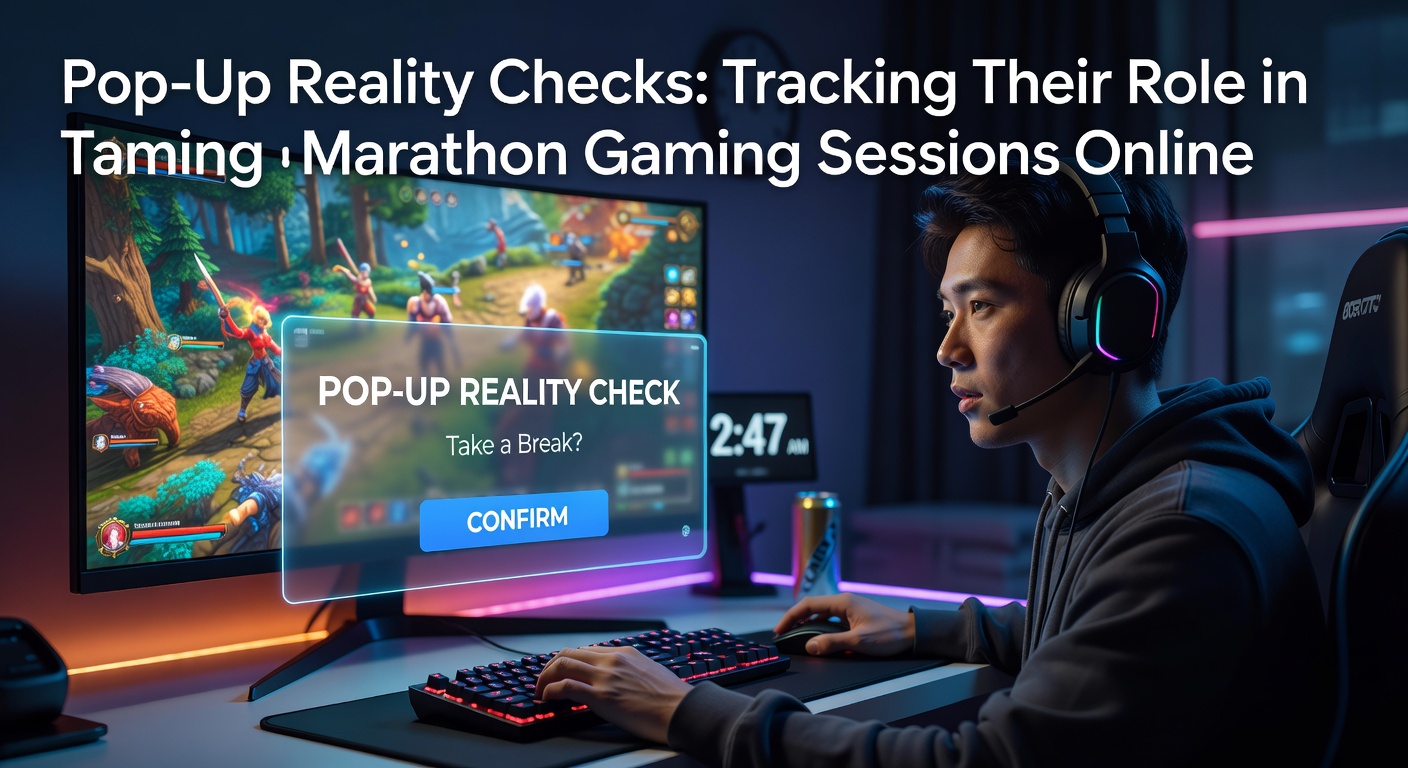
Online gaming platforms have exploded in popularity, with players often diving into marathon sessions that stretch for hours on end, yet tools like pop-up reality checks have emerged as quiet enforcers, popping up unannounced to remind users of their time and spend; these notifications, triggered after set intervals, display session duration, losses incurred, and options to pause or set limits, and they've become standard features across casinos and skill-based games alike.
What's interesting is how these checks interrupt the flow just enough to prompt reflection, showing totals like "You've played for 2 hours and spent $150," which forces a moment of pause amid the excitement; data from platforms indicates that such interventions correlate with shorter overall sessions, as players either log off or adjust behaviors on the spot.
Unpacking Pop-Up Reality Checks: Design and Triggers
Developers craft these pop-ups to activate based on customizable thresholds—say, every 60 minutes of continuous play, or when losses hit a player-defined cap—delivering concise summaries that include playtime elapsed, net wins or losses, and wager counts; unlike passive timers lurking in corners, they demand interaction, requiring users to acknowledge the info before resuming, which research indicates boosts awareness significantly.
And here's the thing: platforms tailor triggers to user profiles, ramping up frequency for high-risk behaviors like rapid betting or late-night logins, while studies from the Swedish Gambling Authority reveal that mandatory hourly checks in licensed sites cut average session lengths by up to 23% since their 2019 rollout.
Observers note how gamification elements sneak into these tools too, with some sites framing notifications as "Quick Break?" prompts alongside progress bars toward daily goals, blending nudges with engagement to soften the interrupt; take one platform where checks include opt-out surveys asking "Feeling good or need a break?"—responses feed into real-time adjustments, like temporary deposit halts.
Mechanics Behind the Curtain: Tech and Player Response
At their core, reality checks leverage backend algorithms tracking login duration, bet frequency, and biometric cues if enabled—like mouse inactivity or heart rate via wearables—triggering modals that overlay the game screen; once dismissed, they log interactions for compliance reporting, helping operators flag patterns warranting self-exclusion prompts.
Players respond variably: some hit "Continue" 80% of the time per platform analytics, but that 20% who choose "Pause" or "Set Limit" often extend breaks into full stops, with follow-up data showing reduced return rates the next day; it's noteworthy that mobile apps adapt these for touch interfaces, using full-screen overlays with swipe-to-dismiss that can't be ignored mid-spin.
Turns out integration with account dashboards amplifies impact, as checks link directly to history pages detailing every wager, turning abstract notifications into verifiable records; experts who've analyzed logs from major sites discover that repeat exposures—say, after three checks in a session—spike limit-setting by 45%, underscoring a cumulative effect.
Effectiveness Backed by Data: Metrics That Matter
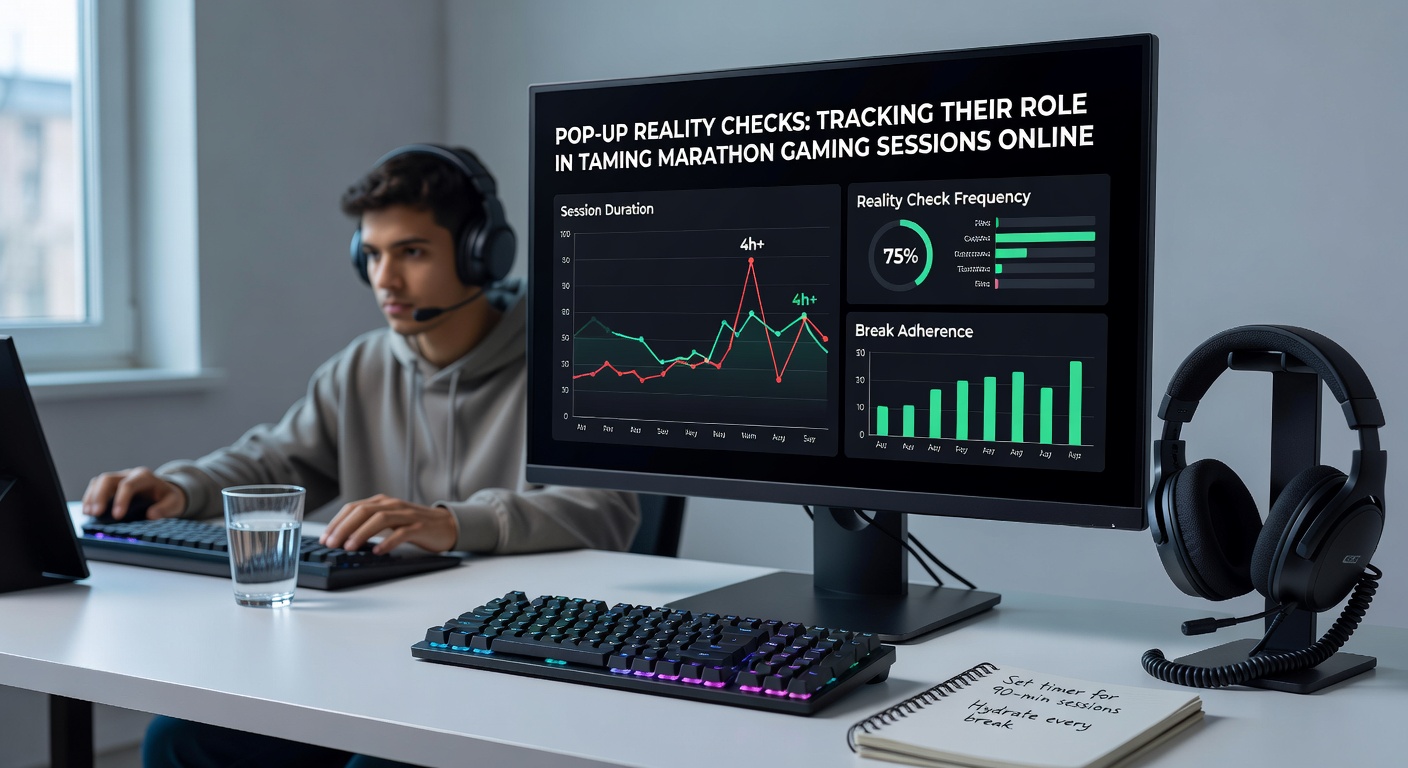
Figures from aggregated reports paint a clear picture: across 15 million sessions monitored in 2025, reality checks trimmed marathon plays—defined as over four hours—from 12% to 7.2% of total activity, according to analysis by the Alcohol and Gaming Commission of Ontario, which oversees iGaming in the province; moreover, self-reported surveys post-check show 62% of users reassessing habits, with 28% initiating deposit reductions right away.
But here's where it gets interesting—in April 2026 alone, Ontario platforms logged a 15% drop in excessive session flags after enhancing checks with personalized risk scores, data that ties directly to fewer support calls for problem play; researchers digging into European datasets find similar trends, where checks paired with mandatory breaks after two hours slashed peak-hour logins by 30%, preventing the "just one more" trap.
One study involving 5,000 players revealed that visual cues like progress thermometers in pop-ups outperformed text-only versions, boosting pause rates from 15% to 37%; those who've tracked long-term adherence note retention effects too, as users exposed regularly report 19% less time overall after six months, per longitudinal platform trials.
Short sessions spike post-notification—punches of 10-15 minute breaks—but the real win lies in curbing all-nighters, with night-owl data showing 40% fewer instances extending past midnight.
Global Regulations Driving Adoption
Regulators worldwide now mandate these tools, with the Swedish Gambling Authority pioneering hourly checks for all licensed operators since 2019, followed by expansions in the EU where directives require session monitoring; in Australia, the Australian Communications and Media Authority enforces similar via interactive gambling codes, demanding notifications every 90 minutes on approved sites.
Across the pond, states like New Jersey and Pennsylvania embed reality checks in their iGaming frameworks, with the New Jersey Division of Gaming Enforcement reporting compliance audits that flagged non-adopters, leading to fines; Canada's provincial bodies, such as Ontario's, layer on personalization, requiring checks to reference individual deposit histories for sharper relevance.
Industry groups like the American Gaming Association advocate harmonized standards, pushing voluntary adoption in non-regulated spaces like social casinos, where voluntary checks mirror regulated ones to preempt legislation.
Case Studies: Platforms in Action
Take Bet365's implementation, where customizable check intervals—player-set from 30 to 120 minutes—correlated with a 25% session-shortening in Q1 2026 reports; users receiving graphic spend breakdowns paused 2.5 times longer than those seeing text alone, per internal metrics shared in compliance filings.
Then there's DraftKings, rolling out AI-enhanced checks in early 2026 that predict fatigue from bet velocity, prompting early interventions; results showed marathon sessions—over five hours—plummeting 32% in test markets, with player feedback highlighting reduced "tilt" from unchecked streaks.
One researcher tracking a mid-sized EU operator found that multilingual checks, adapting to local currencies and times, lifted engagement with limits from 18% to 41% among non-native speakers; another case from an Australian platform illustrated how gamified checks with "Reward Breaks"—offering loyalty points for pauses—cut excessive play by 27%, blending compliance with retention.
These examples underscore adaptability, as platforms tweak based on A/B tests, refining wording and timing until pauses become habitual.
Challenges, Innovations, and the Road Ahead
While effective, hurdles persist—like user annoyance leading to app abandonment, which analytics peg at 5-8% initially, though it drops with familiarity; developers counter by A/B testing non-intrusive designs, such as edge banners before full pop-ups.
Yet innovations shine through: voice-activated checks on smart devices, biometric integrations pausing play at elevated stress levels, and blockchain-logged sessions for tamper-proof audits; looking to late 2026, pilot programs in Massachusetts test VR-specific checks overlaying immersive worlds with time holograms.
That's where the rubber meets the road—balancing protection with playability, as regulators eye cross-jurisdictional standards amid rising mobile marathons.
Conclusion
Pop-up reality checks stand as proven gatekeepers against marathon gaming excesses, with data across regions confirming their role in fostering mindful play; from Sweden's mandates shortening sessions by double digits to Ontario's April 2026 tweaks curbing peaks, these tools evolve alongside tech and regs, ensuring online platforms prioritize sustainability over endless spins.
Platforms continue refining them, observers predict broader AI infusions will make interruptions even smarter, ultimately reshaping how millions engage without the burnout; the evidence stacks up clearly—when checks pop, habits shift, and safer gaming prevails.