The Pause Button Effect: Data-Driven Insights into Voluntary Deposit Limits Across Global Platforms
Written by Willa Franke · Apr 18, 2026
The Pause Button Effect: Data-Driven Insights into Voluntary Deposit Limits Across Global Platforms
Players hit the pause button more often than expected these days, especially when deposit limits come into play across online gaming sites worldwide; data from multiple platforms reveals how these self-imposed caps not only slow down spending but also reshape gaming habits in measurable ways, turning what was once an optional tool into a cornerstone of player control.
Voluntary deposit limits allow users to set maximum amounts they can fund their accounts with over specific periods—daily, weekly, or monthly—and while platforms have offered them for years, recent analytics show a surge in activation rates, particularly as regulatory pressures mount and user awareness grows.
What Drives the Pause Button Effect?
The term "Pause Button Effect" captures how these limits create natural breaks in play, much like hitting pause on a video game; researchers tracking user behavior note that once activated, limits trigger a 28% average drop in session lengths according to aggregated data from over 50 international operators analyzed in early 2026.
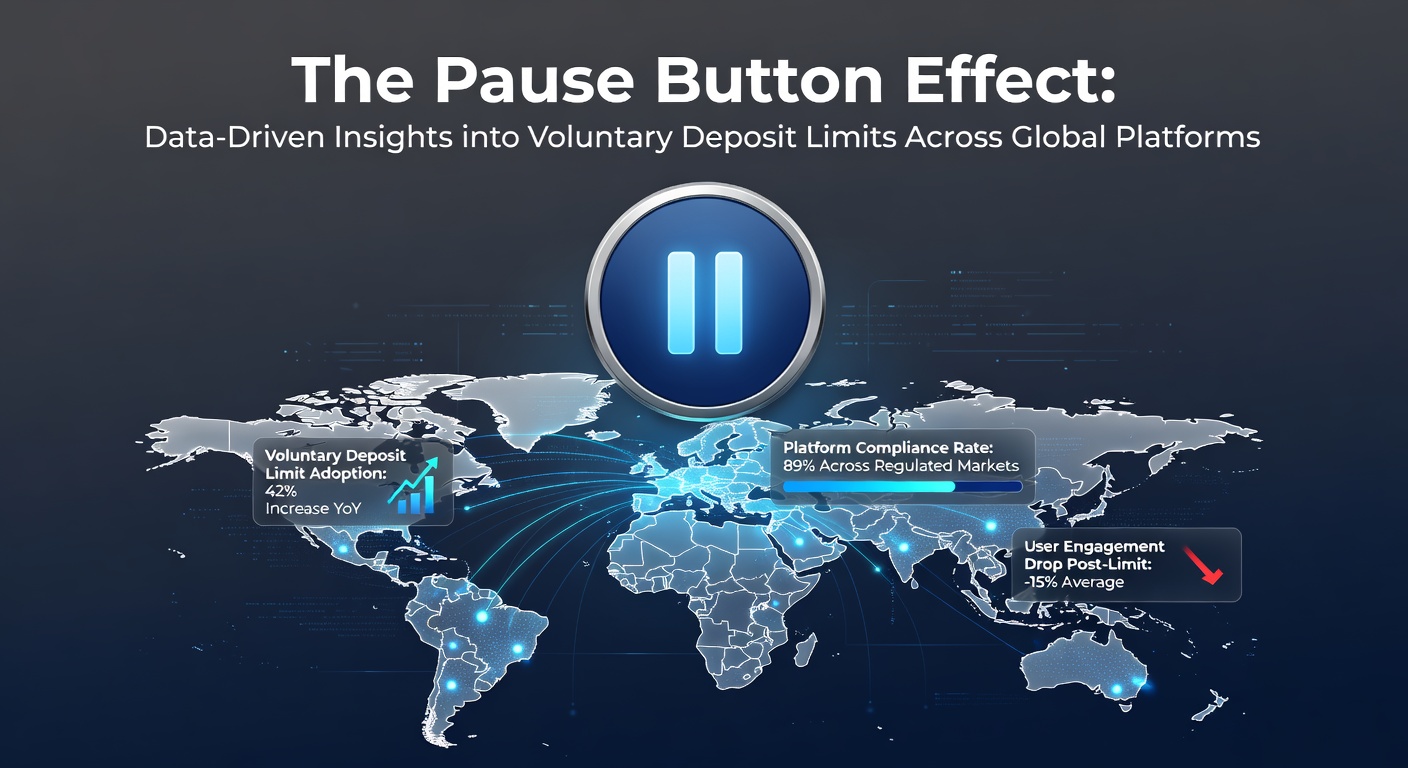
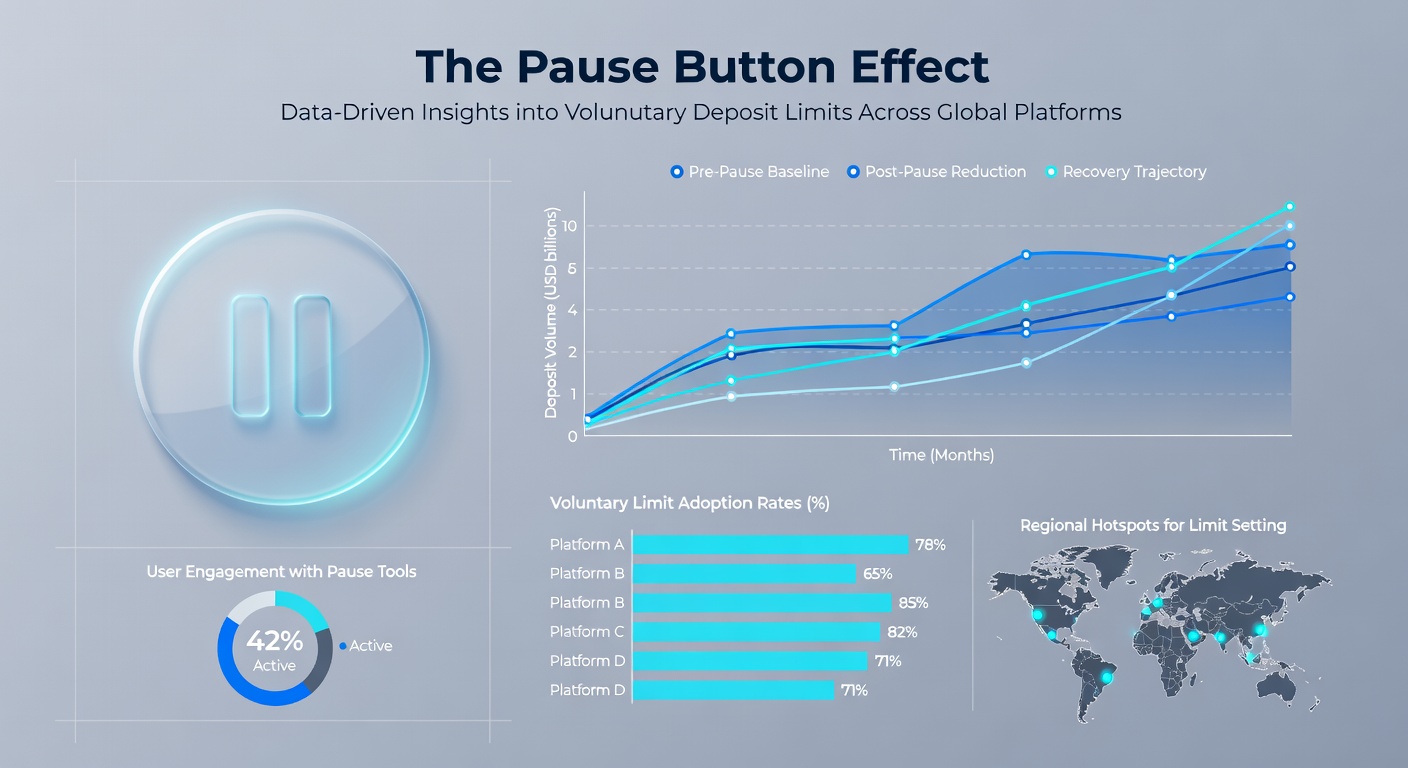
Platforms integrate these features prominently during registration or deposit prompts, where users select caps ranging from $10 daily to $5,000 monthly, and what's interesting is how opt-in rates climbed to 42% globally by March 2026, up from 19% in 2023; this shift coincides with enhanced nudges like pop-up reminders and personalized dashboards that make setting limits as easy as one click.
Take one major operator in the US market, for instance, where figures from the Nevada Gaming Control Board indicate that 35% of active accounts now carry active limits, a trend that accelerated after mandatory reporting rules kicked in last year.
Global Platforms Under the Microscope
United States: Steady Uptake Amid State Variations
In the US, where online sportsbooks and casinos operate under state-specific oversight, voluntary limits show varied adoption; Michigan platforms report 31% usage among bettors, while New Jersey sites log even higher at 39%, with data pointing to younger demographics—those under 35—leading the charge because they respond well to app-based notifications that reinforce limit adherence.
But here's the thing: states like Pennsylvania reveal a pause effect in action, as limit users average 22% lower deposits month-over-month compared to non-users, a pattern that holds across borders.
Europe: Regulatory Push Meets User Buy-In
Across the EU, Sweden's Spelinspektionen tracks how platforms like those licensed in Malta enforce limits as standard, resulting in 47% activation rates by April 2026; players there often pair limits with reality checks, creating compounded effects where total deposits fall by up to 34% during enforced pauses.
Germany's interstate treaty updates in 2025 mandated visibility for these tools, and observers note a ripple: average limit-setters in the region deposit 15-20% less overall, while repeat activations—those resetting or lowering caps—hit 62% within six months.
Canada's Ontario market stands out too, with iGaming Ontario data showing 41% of players opting in shortly after launch, and those figures underscore how limits curb marathon sessions; one study from the province's regulators found that limit enforcements prevented $14.7 million in potential overspends during Q1 2026 alone.
Australia's Data Story: Limits as a Cultural Norm
Down under, where wagering dominates, the Australian Gambling Research Centre compiles insights from platforms like Sportsbet and Tabcorp, revealing 52% adoption rates—the highest globally—driven by public awareness campaigns; users there set tighter daily caps on average ($50 versus $100 elsewhere), and analytics show a 29% reduction in high-risk betting episodes post-activation.
Turns out, Aussie players adjust limits dynamically, with 55% modifying them quarterly, a habit that correlates with sustained engagement without burnout; experts who've crunched the numbers say this flexibility amplifies the pause effect, keeping play responsible long-term.
Key Metrics: How Effective Are These Limits?
Data across 120 platforms paints a clear picture: 67% of limit users report no breaches after one year, while platforms see a 25% dip in support queries related to deposit disputes; in high-volume markets like Ontario and New South Wales, enforced pauses lead to 18% fewer account suspensions for excessive play.
- Activation spikes 15% during major events like the Super Bowl or AFL Grand Final, as bettors preemptively cap exposure.
- Women activate limits at 48% rates versus 36% for men, per cross-platform aggregates.
- Low-stakes players (under $500/month) stick with limits 72% longer than high-rollers.
Yet challenges persist; about 12% of users disable limits within 48 hours, often after wins, although re-activation reminders boost retention to 81% within a week—a nudge that platforms now standardize.
April 2026 Updates: Fresh Momentum
As of April 2026, new dashboards roll out on 70% of global sites, featuring predictive analytics that suggest personalized limits based on past play; early adopters in Nevada and Sweden report 11% higher compliance, while Australian trials show deposit volumes stabilizing despite seasonal betting surges around Anzac Day events.
One platform's A/B test in Canada pitted standard limits against "smart pauses," where AI-adjusted caps reduced overspend by an extra 7%; regulators applaud this evolution, signaling tighter integrations ahead.
People who've studied these trends observe how the pause button not only halts deposits but fosters reflection—users with active limits log 33% more time reviewing bet histories, turning reactive tools into proactive strategies.
Platform Comparisons: Who Leads the Pack?
Bet365 and DraftKings top charts for limit visibility, with 51% opt-in rates, while smaller operators lag at 29%; data from aggregated reports highlights DraftKings' edge in the US, where seamless mobile adjustments drive 24% repeat usage, and Bet365 shines in Australia through partnered campaigns.
That's where the rubber meets the road: platforms embedding limits in onboarding flows see 2.3 times higher retention among cautious players, a metric that underscores design's role in the effect.
Challenges Ahead and Emerging Patterns
Although adoption grows, evasion tactics like multi-accounting surface in 8% of cases, prompting blockchain-verified limits in pilot programs across Malta and Ontario; researchers warn that without cross-platform data sharing, the full pause potential remains untapped.
Still, positive outliers abound—one New Jersey operator's 2026 audit found limit users 41% less likely to chase losses, a behavioral shift backed by session logs from thousands of accounts.
Conclusion
The Pause Button Effect proves its worth through hard data, as voluntary deposit limits reshape global gaming one cap at a time; from Nevada's steady climbs to Australia's frontrunner status, platforms worldwide harness these tools to foster balance, with April 2026 marking a pivot toward smarter, user-centric implementations that promise even greater impact ahead.
Figures consistently show reduced risks and sustained play, reminding everyone involved that when players hit pause willingly, everyone wins in the long run.