Unpacking Encryption Protocols as Foundations for Secure Cross-Platform Wagering Data Flows
Written by Drew Reed · Jun 3, 2026
Unpacking Encryption Protocols as Foundations for Secure Cross-Platform Wagering Data Flows
Encryption protocols form the backbone of data protection in cross-platform wagering environments where information moves between operators, payment processors, and regulatory systems in real time. Observers note that these protocols prevent unauthorized access during transmission and storage while enabling seamless interactions across different jurisdictions and technology stacks. Data indicates that wagering platforms handle sensitive details including account credentials, transaction records, and player activity logs that require consistent safeguards regardless of the originating device or destination server.
Core Protocols Driving Secure Exchanges
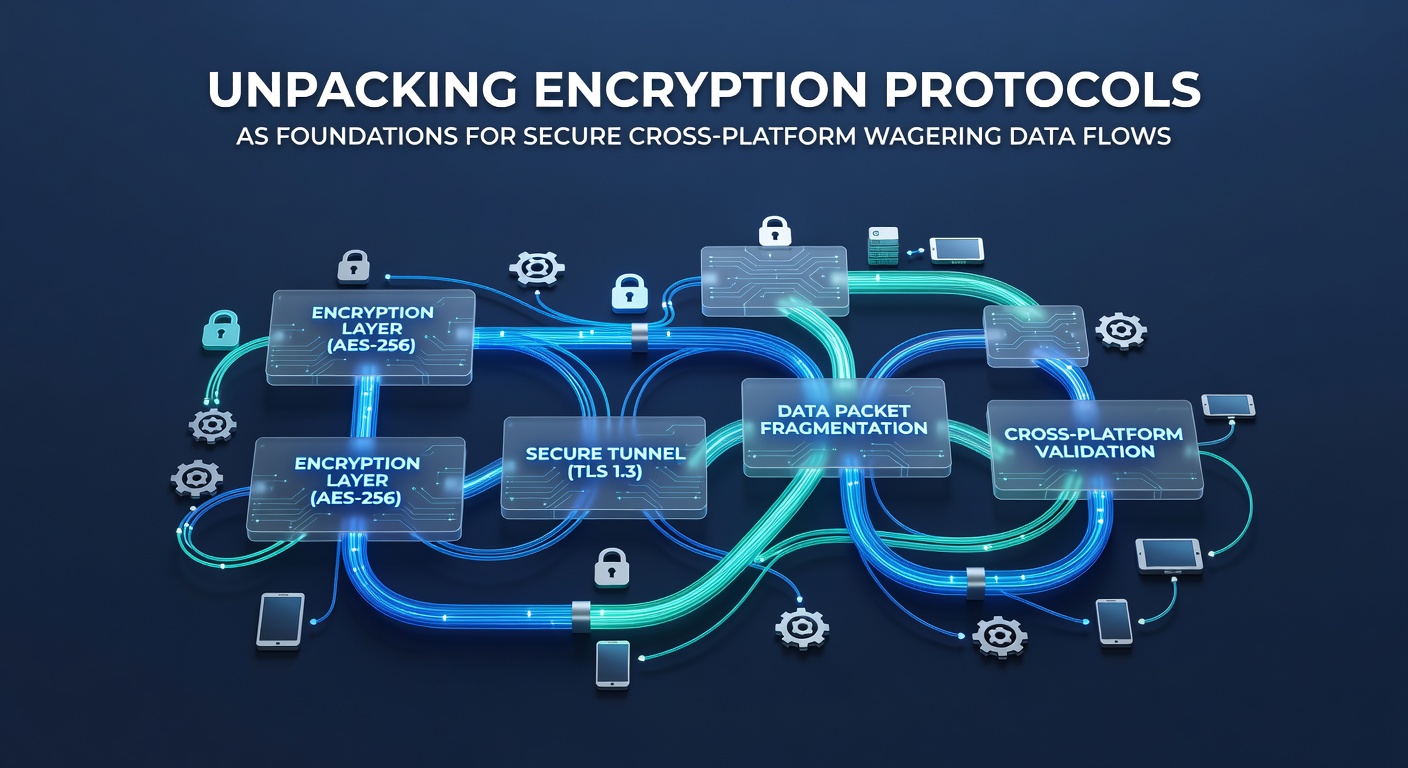
Transport Layer Security stands as the primary mechanism for encrypting communications between wagering applications and backend servers while researchers have documented its evolution from earlier SSL versions to current standards that support stronger cipher suites and forward secrecy. AES encryption operates at the data layer to protect stored information with key lengths of 256 bits commonly deployed in enterprise-grade systems according to industry benchmarks from technology standards bodies. Those who manage cross-border operations often integrate these methods with additional layers such as RSA for key exchange and hashing algorithms like SHA-256 to verify data integrity during transfers.
Public key infrastructure supports authentication processes that confirm the identity of participating platforms before any data exchange begins and this setup reduces risks associated with man-in-the-middle attacks in distributed networks. Figures from technical audits reveal that platforms adopting updated TLS 1.3 configurations experience measurable reductions in handshake times without compromising security levels compared to previous iterations.
Data Flow Patterns in Multi-Platform Wagering
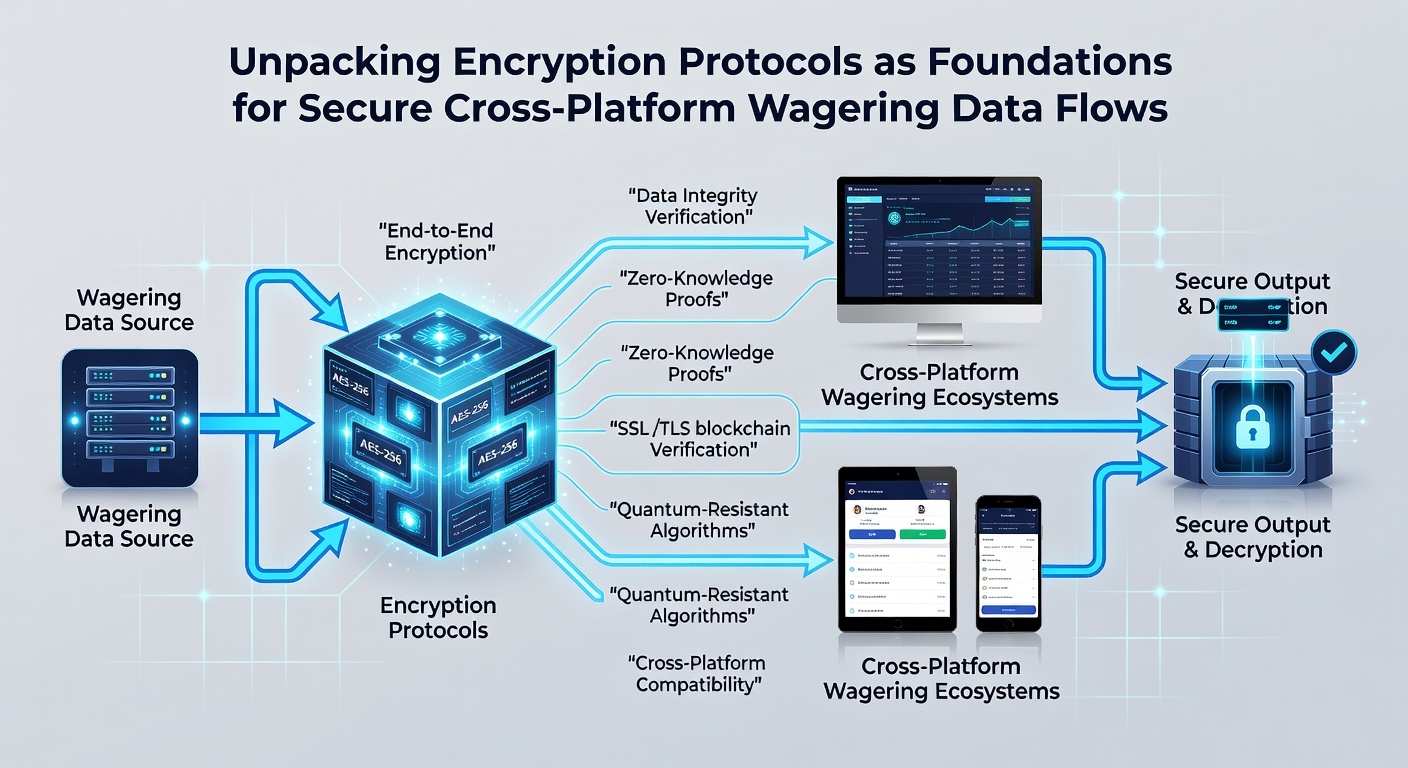
Cross-platform wagering requires continuous movement of information between mobile apps, desktop interfaces, live dealer systems, and third-party aggregators which creates multiple points where encryption must remain active. Observers have tracked how session tokens and API calls carry encrypted payloads that maintain confidentiality even when routed through intermediary services in different geographic regions. Experts point out that end-to-end encryption ensures that neither transit nodes nor partner networks gain access to plaintext content during these exchanges.
Tokenization often works alongside encryption to replace sensitive identifiers with non-reversible values that platforms can process without exposing original data and this combination appears in payment gateways handling deposits and withdrawals across borders. Studies from research institutions have shown that such hybrid approaches maintain compliance with varying data residency rules while supporting high-volume transaction environments typical in June 2026 operations.
Regulatory and Technical Integration Points
Authorities in multiple regions require documented encryption standards as part of licensing conditions for operators managing transnational data streams and these mandates frequently reference guidelines developed by organizations such as the National Institute of Standards and Technology. Reports from the Australian Communications and Media Authority have outlined expectations around cryptographic strength and key management practices that align with international norms while allowing flexibility for platform-specific implementations. Those overseeing compliance track updates to protocol versions to ensure ongoing alignment with evolving security baselines.
Interoperability challenges arise when platforms built on different technology foundations attempt to share encrypted data streams and solutions include standardized APIs that enforce consistent encryption parameters across connections. Evidence from system integration projects demonstrates that successful deployments rely on mutual agreement about cipher preferences and certificate validation procedures to avoid connection failures or fallback to weaker protections.
Emerging Developments and Protocol Evolution
Quantum-resistant algorithms represent an area of active development as organizations prepare for potential future threats to current public key methods and preliminary testing has begun in select wagering technology environments. Post-quantum cryptography candidates under review by standards bodies offer pathways for gradual migration that maintain backward compatibility during transition periods. Data from pilot programs indicates measurable performance impacts that operators must balance against long-term security gains.
Zero-knowledge proofs have entered discussions around verification processes that allow platforms to confirm compliance without revealing underlying player or transaction details and these techniques build on established encryption foundations to add privacy layers. Researchers continue to examine how such methods integrate with existing AES and TLS frameworks in high-throughput wagering scenarios.
Conclusion
Encryption protocols continue to underpin secure data movement across wagering platforms by providing layered protections that address both transmission and storage requirements. Technical standards evolve through collaborative efforts among standards organizations, regulators, and industry participants to match changing operational demands. Platforms that maintain current implementations while monitoring protocol advancements position themselves to sustain secure cross-platform interactions as network volumes and regulatory expectations develop further into 2026 and beyond.